Grab your electric van grant while you can
One benefit that’s managed to avoid the chop relates to electric vehicles. What’s available and how might it help if you’re in the market for a new commercial vehicle?
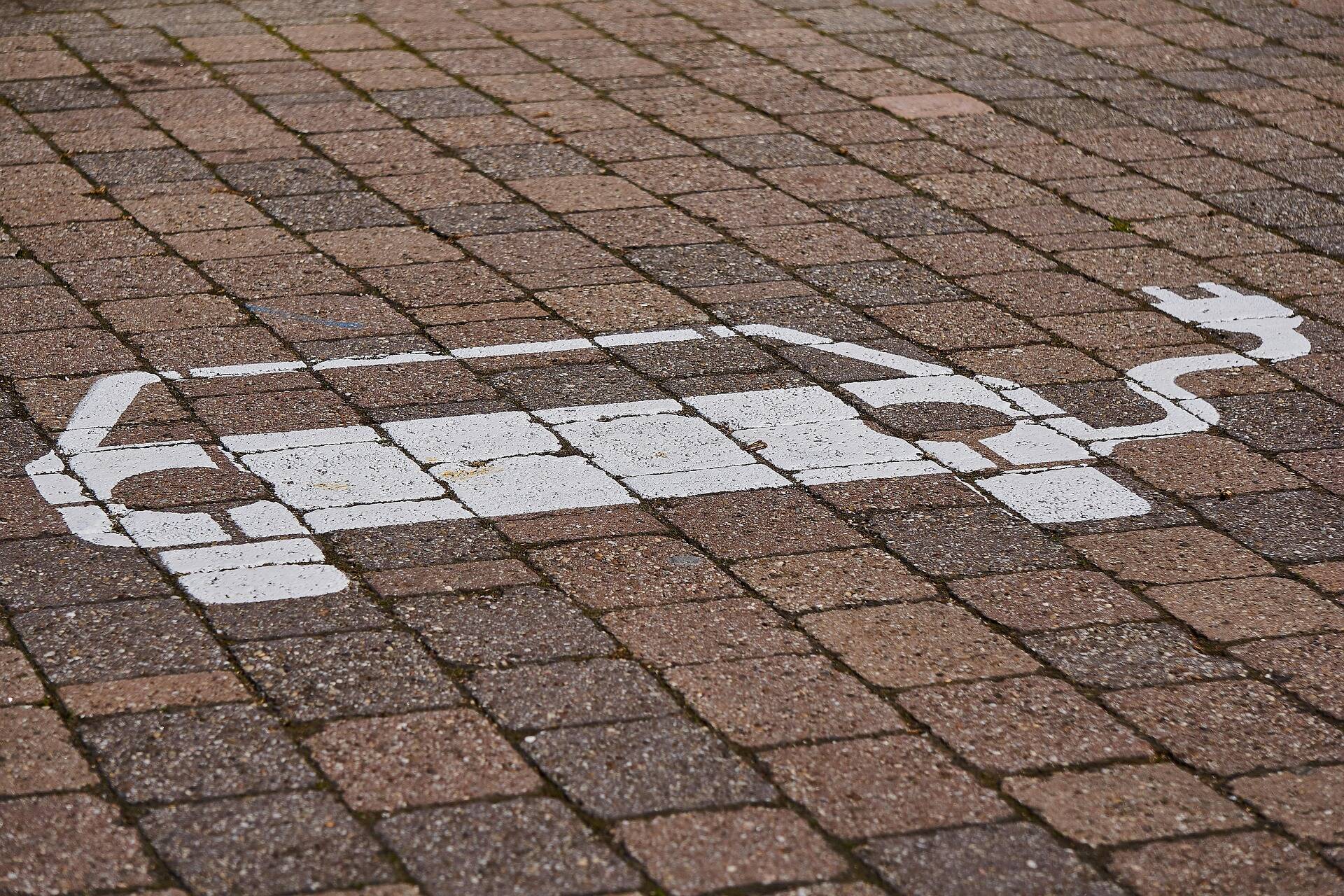
The government has announced that £120m is available to drivers, cabbies and businesses who want to make the switch to electric vehicles. The money comes through the “plug-in van grant”, which has been extended for another twelve months to April 2026. Under the 2024/2025 electric van grant rules, the maximum saving for 3.5-tonne electric vans is £5,000, while the maximum reduction for smaller vans up to 2.5-tonnes is £2,500. This will now be extended to 2025/26. Heavier electric vans such as those with 4.25-tonne ratings and N categorisation continue to qualify for the small truck grant, which offers an incentive of up to £16,000, capped at 20% of the purchase price.
To qualify for the plug-in grant the electrified van must now meet the following standards: 60 miles or more of zero emissions driving range; less than 50g/km CO2 emissions.The plug-in taxi grant, due to run out in April, has not been extended. However, grants of up to £4,000 for the purchase of zero emission cabs are being made available. This is less than the £6,000 available until March 31, 2025. A grant of £500 is available for those purchasing new electric motorbikes.
Related Topics
-
Could refinancing your property put mortgage interest relief at risk?
HMRC has changed its guidance on claiming tax relief for interest on loans used to replace capital withdrawn from a business. The Chartered Institute of Taxation (CIOT) has now challenged the revised guidance, warning that it creates uncertainty for landlords, sole traders and partnerships. Could your borrowing arrangements be affected?
-
Why is HMRC checking PVA more often?
Your business imports goods and accounts for VAT by applying postponed VAT accounting (PVA) on its returns. HMRC is scrutinising returns and issuing large assessments in some cases. What can you do to reduce the risk of getting it wrong?
-
HMRC text or scam? Check before you act
HMRC is contacting some taxpayers by text this week about overdue Self Assessment liabilities and is also sending updates about VAT registration applications. At the same time, it has expanded its guidance on spotting fake HMRC messages on social media. How can you tell whether a message is genuine?