HMRC says care industry VAT grouping is “tax avoidance”
HMRC is warning that setting up VAT groups in the care industry to reclaim VAT on what would otherwise be exempt supplies is tax avoidance. What’s the full story?
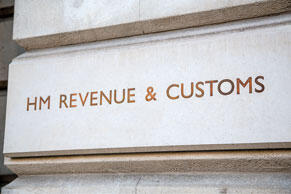
HMRC says that it considers the structuring of VAT groups within the care industry to gain a tax advantage to be tax avoidance. State-regulated care providers registered with the Care Quality Commission supplying welfare services are exempt from VAT. This means that VAT is not charged on the provision of care services to the Local Authority and consequently, VAT cannot be recovered on any costs associated with the supply of those services.
The structuring involves the insertion of a company that is not regulated, to form a VAT group and act as a “middleman” between the regulated company and the local authority. VAT is then charged by the new company and recovered on costs. While this may seem like a niche area, it is relatively common planning in practice.
HMRC is launching a programme to review all instances where this avoidance arrangement is in place. Further information can be found in Spotlight 70, which explains that any powers used will only take effect once the investigation is complete. This means that where this specific arrangement is in place HMRC will not seek to claim tax back from any earlier period. Users of such arrangements should seek independent professional advice in the first instance.
Related Topics
-
Payment deadline for corporation tax
-
HMRC targets undeclared consultancy income in the medical sector
HMRC is writing to people working in the medical sector where information supplied by private healthcare providers suggests that consultancy fees may have been omitted from their tax returns. Recipients have 30 days to check their position and respond. What should you do if you get a letter?
-
MONTHLY FOCUS: BUSINESS AND AGRICULTURAL PROPERTY RELIEF: WHAT DO THE NEW IHT RULES MEAN FOR YOU?
The inheritance tax treatment of businesses and farms changed fundamentally from 6 April 2026. The amount that can qualify for 100% business property relief and agricultural property relief is now capped, potentially leaving families with a significant tax bill for the first time. What has changed, and what should business owners and farmers be doing about it?