HMRC corrects guidance on company-owned EV car charging
Occasionally, HMRC publishes guidance that is at odds with what the legislation says. A recent example of this is in respect of reimbursement for the costs of charging company-owned electric vehicles. What’s the full story?
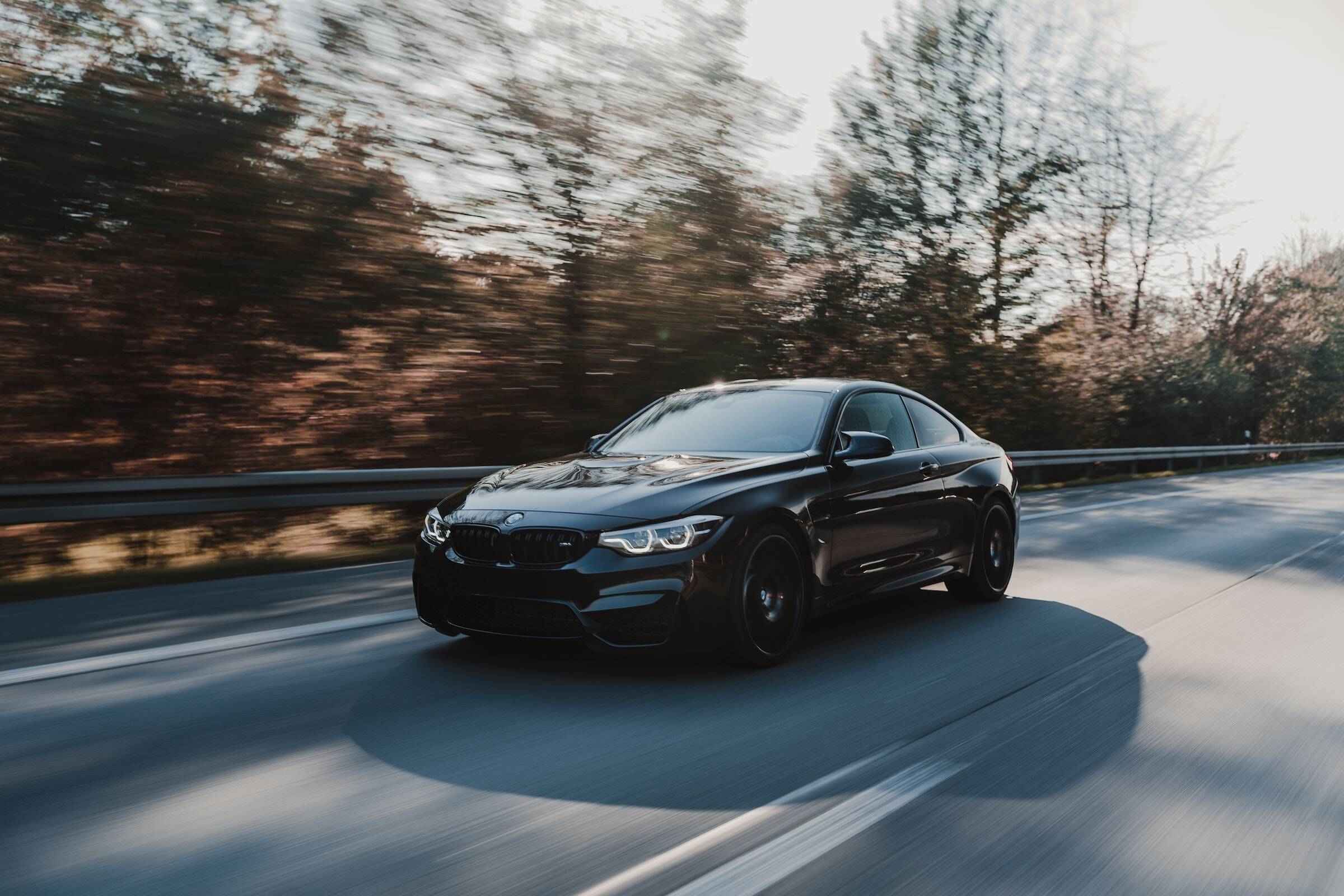
The tax and NI rules surrounding wholly electric vehicles (EVs) are more generous than for other company cars. This treatment extends to reimbursement of costs incurred by an employee in charging the EV. However, until recently HMRC’s guidance stated that where an company-owned EV was available for private use, any reimbursement is taxable as earnings. But this is inconsistent with a specific exemption in the legislation. There is also currently no specific fuel benefit for EVs, as HMRC does not consider electricity a fuel.
HMRC’s guidance at EIM23900 has now been updated to make clear that “The exemption under s.239(2) ITEPA 2003 means there is no separate charge to tax under the benefits code where an employer reimburses an employee for the cost of electricity to charge their company car at home.” The NI position is the same. However, HMRC does state that employers must ensure that the reimbursement made towards the cost of the electricity is solely for the company car.
Related Topics
-
Payment deadline for corporation tax
-
HMRC targets undeclared consultancy income in the medical sector
HMRC is writing to people working in the medical sector where information supplied by private healthcare providers suggests that consultancy fees may have been omitted from their tax returns. Recipients have 30 days to check their position and respond. What should you do if you get a letter?
-
MONTHLY FOCUS: BUSINESS AND AGRICULTURAL PROPERTY RELIEF: WHAT DO THE NEW IHT RULES MEAN FOR YOU?
The inheritance tax treatment of businesses and farms changed fundamentally from 6 April 2026. The amount that can qualify for 100% business property relief and agricultural property relief is now capped, potentially leaving families with a significant tax bill for the first time. What has changed, and what should business owners and farmers be doing about it?