HMRC announces one month late filing reprieve
The standard deadline for individuals filing a tax return is 31 January. Failure to meet this deadline usually means a £100 automatic penalty applies, even if no tax is owed. Why will an HMRC announcement bring relief to those struggling due to the pandemic?
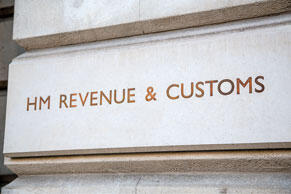
HMRC has acknowledged the ongoing pressure on taxpayers arising from the coronavirus pandemic and the knock-on effect it is having on self-assessment filing. It is estimated that over 5 million tax returns are due to be filed this month ahead of the 31 January deadline. To ease the pressure, HMRC has announced that no automatic penalty for a late return will be issued as long as the filing is made by 28 February. Additionally, no late payment penalty will apply if payment is made in full by 1 April (or the taxpayer agrees a payment plan before that date).
Care is needed where the taxpayer is self-employed - especially if 2020/21 is the first year of trading. Class 2 NI is collected via self-assessment but administered by a separate department. Late payment of the modest liability can put entitlement to certain welfare payments at risk. Taxpayers should contact HMRC to make a separate payment to avoid problems.
Related Topics
-
Payment deadline for corporation tax
-
HMRC targets undeclared consultancy income in the medical sector
HMRC is writing to people working in the medical sector where information supplied by private healthcare providers suggests that consultancy fees may have been omitted from their tax returns. Recipients have 30 days to check their position and respond. What should you do if you get a letter?
-
MONTHLY FOCUS: BUSINESS AND AGRICULTURAL PROPERTY RELIEF: WHAT DO THE NEW IHT RULES MEAN FOR YOU?
The inheritance tax treatment of businesses and farms changed fundamentally from 6 April 2026. The amount that can qualify for 100% business property relief and agricultural property relief is now capped, potentially leaving families with a significant tax bill for the first time. What has changed, and what should business owners and farmers be doing about it?