Nominating a main residence election
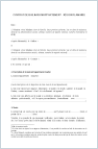
If you own two or more properties which you use as homes, say your main house and a holiday home, you can choose which qualifies as your main residence for capital gains tax private residence relief.
More than one
The general rule is that if you make a gain on the sale of your main residence, then you don’t have to pay capital gains tax. This is called private residence relief. An unmarried individual or a married couple can only have one main residence for this relief at any one time.
However, if you have more than one home, it’s possible to nominate which one you would like to be treated as your main residence.
Make an election
An election can only be made where you actually live in more than one home. For example, you can’t elect for a property to be your main residence if you are renting it out.
An election must be made within two years of you having two or more residences, but once an election has been made it can be switched (varied) between the properties as often as you wish. A variation can apply up to two years prior to the date you make the election. Plus, each time you acquire another property a new two-year window to make an election opens.
In the case of a married couple, both partners must sign the election for it to be effective.
You should elect to nominate the property which is likely to produce the greatest capital gain when you sell or transfer it. However, the CGT rules are generous and where an election applies for just a short time the final nine months (18 months for disposals before 6 April 2020) of ownership will also qualify for the private residence relief.
In view of the final nine-month rule, it’s a good idea elect the property which you expect to make the least gain as your main residence for a short time, say a month, and then vary the election back to the original property.
You can use this document for a first time main residence election or variation.
Related Topics
-
Should you voluntarily payroll benefits in kind?
The window to sign up to voluntarily payroll non-mandatory benefits in kind for 2027/28 will open in November. Is it worth volunteering to pay HMRC earlier than required or should you wait until it becomes mandatory in 2028/29?
-
Wise tax statement errors could affect 4,000 customers
Around 4,000 UK customers of financial services provider Wise have been told that tax statements issued between 2021 and 2025 contained incorrect figures. The errors could have resulted in taxpayers paying too much or too little income tax and capital gains tax (CGT). What should affected customers check?
-
CT61